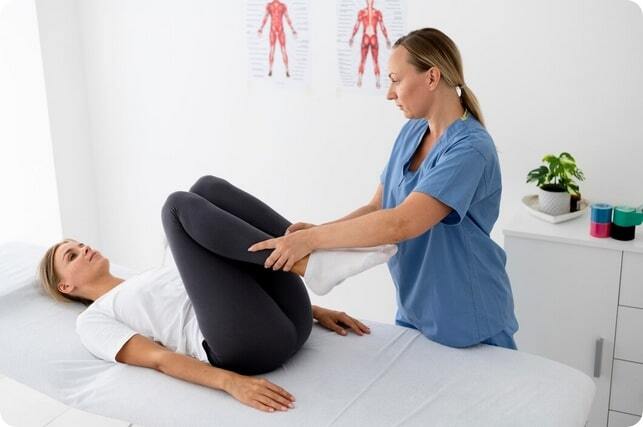

Physical Therapy for Sciatica: Effective Non-Surgical Solutions

Alonzo farley
Sciatica can be frustrating and painful, usually affecting the ability to sit comfortably, walk, or even work and sleep. At Injury Clinics of Arizona, many patients seek relief from the radiating pain, tingling, or numbness that travels from the lower back down the leg. Fortunately, surgery is not always required to feel better. Indeed, physical therapy has emerged as one of the most respected evidence-based nonsurgical treatments for sciatica, which ensures restoration of mobility, strengthening of muscles, and returns to normal activities safely.
What Causes Sciatica?
Sciatica is not a condition per se but rather a symptom of underlying problems such as a herniated disc, spinal stenosis, or muscle imbalances. It includes a sensation of sharp, shooting pains that may travel down one or both legs when the sciatic nerve has become compressed or irritated. For many, daily habits of poor posture, a lot of sitting, or weak core muscles can exacerbate these symptoms.
This is where physical rehabilitation plays an important role. By treating the cause and not just the pain, physical therapists reduce inflammation, improve alignment, and strengthen supporting muscles to prevent recurrence.
Why Physical Therapy is a Powerful Non-Surgical Solution
Physical therapy has been considered a front-line treatment for sciatica. Medications may mask the pain, but physical therapy targets the restoration of long-term function. A well-trained therapist relieves pressure on the sciatic nerve through specific exercises, manual therapy, and mobility work.
Physical therapy training teaches patients proper body mechanics, safe movement patterns, and exercises to continue at home. This enables them to manage symptoms proactively and prevent future flare-ups.
Benefits of Physical Therapy for Sciatica
• Pain Reduction: The specific movements help reduce inflammation and relieve nerve pressure.
• Improved Flexibility: Stretching tight muscles, especially in the hamstrings or piriformis, can greatly reduce radiating pain.
• Stronger Muscles: Stronger core and muscles of the glutes support the spine, thus reducing further compression.
• Better Mobility: Therapy helps the patient move with less pain, allowing him to quickly resume daily activities.
• Non-Invasive & Drug-Free: Many patients prefer physical therapy over pain medications or surgery.
Common Physical Therapy Techniques for Sciatica
Many physical therapists in clinics, such as Injury Clinics of Arizona, combine a number of techniques to provide personalized care. Some of the most effective approaches include:
1. Manual Therapy
Soft tissue massage, joint mobilization, and trigger-point therapy reduce muscle tension and improve alignment of the spine. These manual techniques alleviate pressure on the sciatic nerve, improving circulation for faster healing.
2. Therapeutic Exercises
Physical therapy training ranges from gentle stretching to progressive strengthening exercises that focus on spine stabilization and the improvement of overall function. The exercises may target:
• Core muscles
• Hip flexors
• Gluteal muscles
• Lower back stabilizers
• Consistent practice will reduce pain over time.
3. McKenzie Method (Extension Exercises)
Many patients are helped by extension-based exercises that centralize the pain—meaning the discomfort is moved from the leg back into the lower back. This approach is particularly helpful for disc-related sciatica.
4. Posture and Movement Training
Bad posture can exacerbate sciatic nerve compression. Physical therapists teach changes in ergonomics, how to sit, lift, and walk to reduce strain on the lower back.
5. Heat and Cold Therapy
Ice reduces inflammation, while heat relaxes tight muscles. These modalities are used by therapists to complement exercises and manual techniques.
6. Electrical Stimulation (TENS)
A TENS unit provides gentle electrical pulses that help block pain signals and relax tight muscles.
The Role of Physical Rehabilitation in Long-Term Recovery
While many people experience immediate improvements with physical therapy, long-term success often requires a full physical rehabilitation plan. It will involve strengthening the weakened muscles, correction of imbalances, and an improvement in the mechanics of the body to ensure that sciatica doesn't return.
Physical rehabilitation focuses on restoring proper alignment, mobility, and strength. This comprehensive approach reduces the likelihood of reinjury and builds resilience in the spine and surrounding muscles.
Rehabilitation programs at the Injury Clinics of Arizona are personalized depending on the patient's lifestyle, work demands, and health conditions that already exist.
Who Can Benefit from Physical Therapy for Sciatica?
It applies to all ages and levels of activity. Whether your sciatica comes from lifting injuries, poor posture, long hours of driving, or sports activity, a tailored therapy plan can make a big difference.
You may be a good candidate for physical therapy if you experience:
• Radiating pain down the leg
• Numbness or tingling
• Weakness in the lower body
• Pain that is worse with sitting or bending
• Difficulty in walking or standing for extended durations
When to Consider Physical Therapy Instead of Surgery
Indications for surgery include failure of conservative treatment and symptom severity, such as loss of bowel or bladder control and progressive weakness.
For most individuals, physical therapy relieves the symptoms effectively and without the risks of surgery. Many patients begin feeling improvement within a few weeks.
Final Thoughts
Sciatica can be life-disrupting, but it doesn't have to control your daily routine. By developing a personalized physical therapy plan, you can reduce pain, improve mobility, and take back your quality of life without surgery. Injury Clinics of Arizona strongly believe in the importance of targeted physical rehabilitation, combined with advanced treatment options and professional physical therapy training to help patients recover. If you are suffering from sciatica pain, seeking expert advice may be your path to obtaining permanent relief.